The elements of identity design work together as an interconnected system, each reinforcing the others to create a cohesive brand presence.
At the foundation sits the logo — the primary visual mark, along with its approved variations, lockups, and minimum clear space rules. Closely tied to it is the colour palette, typically a primary set of brand colours alongside secondary or accent shades, each defined with precise values for print (CMYK/Pantone) and digital (RGB/Hex) use to ensure consistency across mediums.
Typography forms the voice of the brand in written form — usually a primary typeface for headlines and a complementary one for body text, along with hierarchy rules for headings, captions, and body copy. Alongside this, imagery and photography style establishes the visual mood, whether that's lighting, composition, colour grading, or the types of subjects and settings the brand favours.
Iconography and graphic elements — patterns, illustrations, icons, or supporting motifs — add visual texture and help extend the identity beyond the logo itself. Layout and grid systems define how space, alignment, and proportion are handled across applications, from business cards to websites.
Finally, tone of voice and messaging style, while more verbal than visual, is often included in identity systems because it shapes how the brand "feels" in communication — ensuring that the personality conveyed through design is matched by the language used.
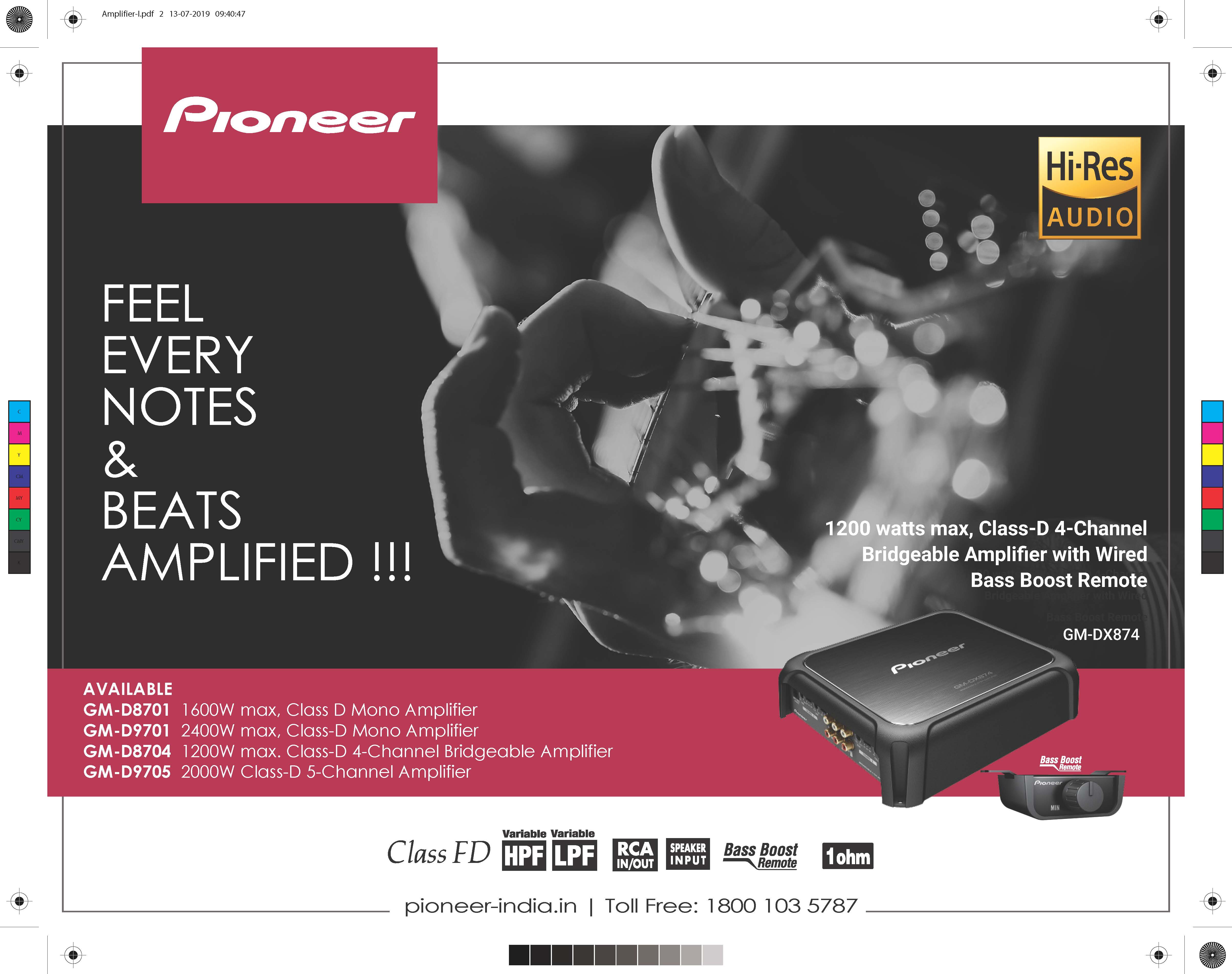
Together, these elements form a toolkit that, when applied with discipline, allows a brand to remain instantly recognisable and emotionally consistent across every context it appears in — from packaging and signage to websites, films, and internal communications.
Category:
Identity Design
Client:
Pioneer India
Duration:
On the Job works
Location:
Gurugram, India